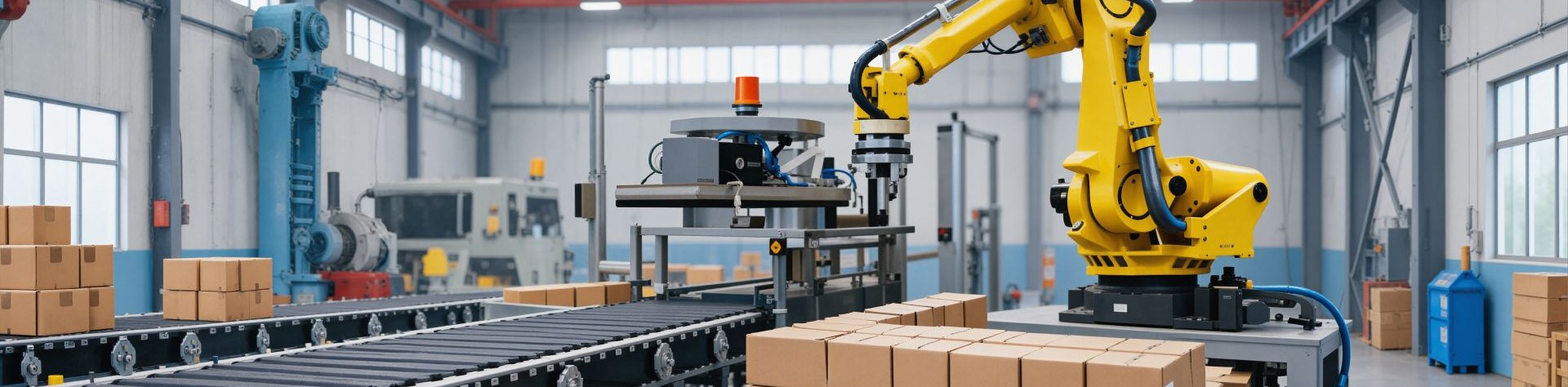
Packaging machinery encompasses a wide range of equipment designed to automate and streamline the process of packing products for storage, sale, and shipment. From food and beverages to pharmaceuticals and consumer goods, these machines are indispensable in modern manufacturing, ensuring that products are protected, preserved, and presented to consumers efficiently.
Core Functions and Types
The primary functions of packaging machinery include filling, sealing, wrapping, labeling, and palletizing. Filling machines accurately dispense liquids, powders, or granules into containers, while sealing machines ensure airtight and tamper-proof closures. Wrapping and shrink-wrapping machines provide an extra layer of protection, and labeling systems apply essential product information, barcodes, and branding. Advanced systems, such as form-fill-seal machines, integrate multiple steps into a single automated line, significantly reducing handling time and minimizing human error.
Technological Advancements
The packaging industry is undergoing a digital transformation driven by smart technology. Modern machines are increasingly equipped with IoT sensors, machine vision systems, and AI-driven controls. These innovations enable real-time monitoring of production lines, predictive maintenance to prevent unexpected downtime, and automated quality control to detect defects like missing labels or improper seals. Furthermore, collaborative robots (cobots) are being integrated into packaging lines to handle repetitive tasks alongside human workers, enhancing flexibility and safety.
Sustainability and Efficiency
Sustainability is a major driver of innovation in packaging machinery. Manufacturers are designing equipment that can handle eco-friendly materials, such as biodegradable films and lightweight recyclable substrates, without compromising seal integrity. Energy-efficient motors and waste-reduction technologies are also becoming standard, helping companies reduce their environmental footprint and operational costs. Additionally, the ability to quickly changeover between different product sizes and formats allows for greater production agility, meeting the demands of customized and small-batch manufacturing.
Conclusion
Packaging machinery has evolved from simple mechanical tools to highly intelligent, connected systems that are central to supply chain efficiency. As consumer expectations for product safety, sustainability, and traceability continue to rise, the role of advanced packaging equipment will only grow. For manufacturers, investing in modern packaging solutions is no longer just about speed—it is about building a resilient, sustainable, and future-ready production ecosystem.
Contact: Mrs. Zhu
Phone: 13770552518
E-mail: zhuchunfeng333@gmail.com
Whatsapp: +8613770552518
Add: Block A, Sansong Renli Building, No. 1 Lixin Road, Jiangbei New Area, Nanjing, Jiangsu Province